Why Athletes Count Practice Repetitions
Why athletes count practice repetitions: use a shared tally to organise turns, set clear stopping rules and keep practice focused on its purpose.
The common mistake with counting practice repetitions is treating the tally as proof that the movement improved. A number can organise a busy drill, but it cannot tell you whether the work is serving its purpose. Used well, counting gives athletes and coaches a shared rhythm and a clear way to manage turns.
Why do athletes count practice repetitions?
A count is a simple organising tool. In a group drill, it shows whose turn has come, when to begin and when the set is finished. It can also divide the work without stopping to negotiate every turn.
That practical purpose explains why repetition counts appear across many kinds of training. Athletes may count throws, passes, footwork patterns or lifts, though a repetition means something different in each task. A pass might count when it reaches a partner; a footwork sequence might count when the athlete completes the pattern.
Counting can emerge wherever athletes share space, equipment or coaching attention. The tally keeps the sequence clear. It does not tell you whether the drill is well designed or whether the athlete is learning.
How does a count help a group?
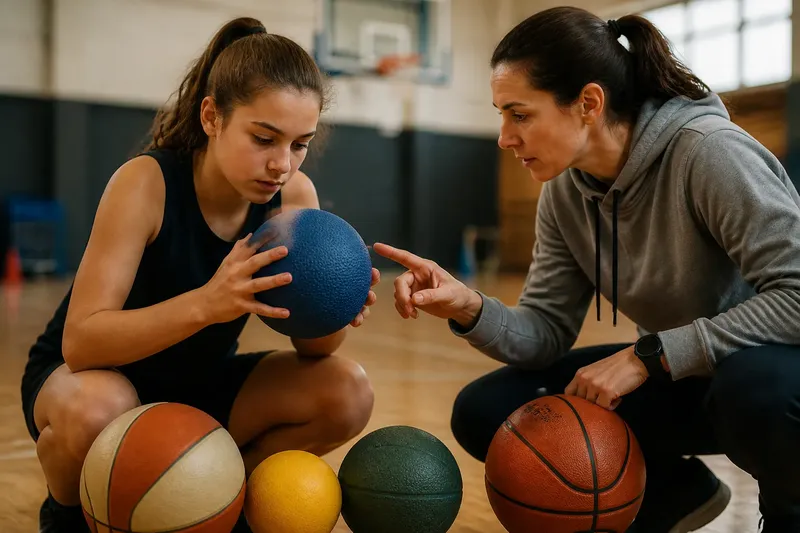
First, it makes turns clear. If four athletes share a medicine ball, a count can prevent one person taking another turn while someone else waits. Calling “three” can also cue the next athlete to get ready.
A count can keep a drill moving, too. A coach might say, “Six each, then switch partners,” instead of calling every turn. Athletes can follow the sequence and know when to change roles.
It also makes instructions more precise. “Two passes, then move” gives the group a clear sequence. “Keep going for a bit” leaves the stopping point open to interpretation.
These are coordination benefits, not evidence of better technique. A group can finish its assigned count while rushing or losing track of the task. Keep the tally in service of the drill, not the other way round.
What should a repetition count include?
Before the set, decide what the count represents: every attempt, or only completed actions that meet the drill’s agreed condition. For a passing drill, that might mean counting every throw, or counting only passes the partner can receive. Neither rule suits every session; the useful choice is the one that matches the purpose and is clear to everyone.
Also decide whether the count is individual or shared. “Eight passes” could mean eight for each partner or eight between them. Say which one you mean before starting so nobody has to guess halfway through.
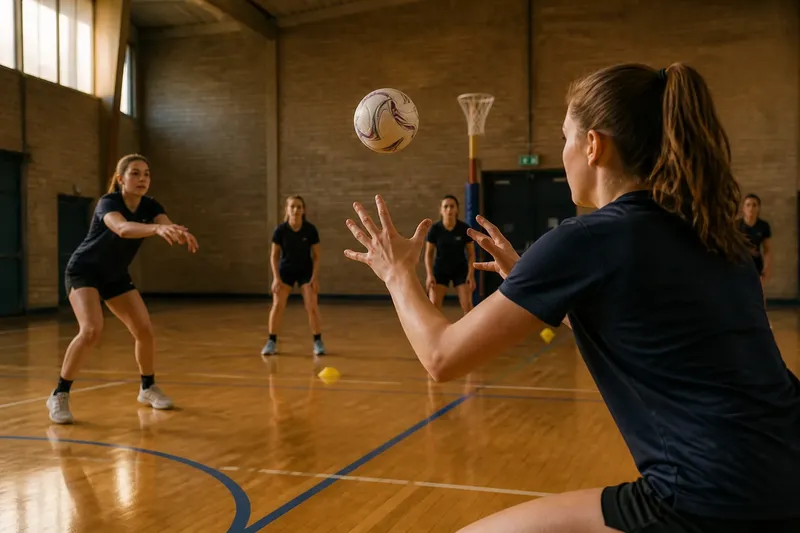
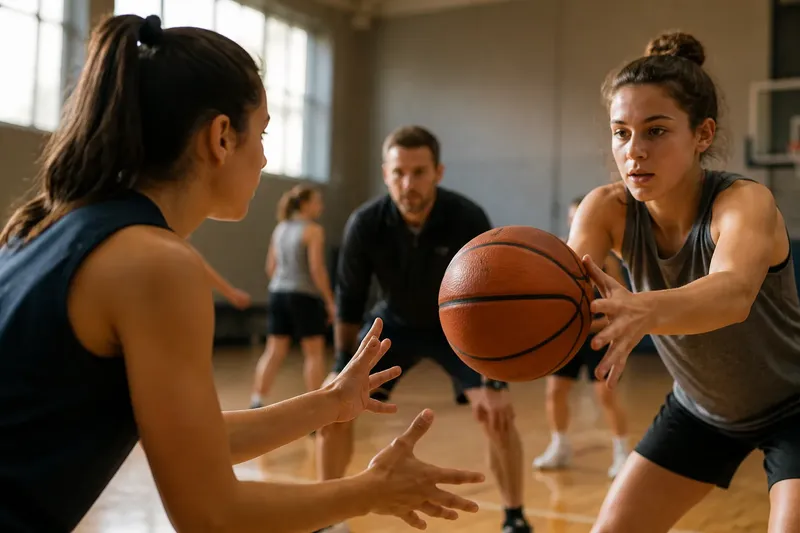
Imagine two partners practising short passes in a gym. They agree to count every attempt, eight each, because they want to keep track of their turns rather than grade each pass. After several throws, one partner notices that the ball is repeatedly arriving behind the receiver. They pause, move closer and continue; the count still manages the turns, while the change addresses the immediate problem.
When should you use a timer instead?
Repetitions suit tasks with a clear beginning and end, such as a throw or a single change of direction. Continuous work, such as a defensive shuffle, may be easier to organise with a timer or a coach’s signal.
Neither method is automatically better. A repetition count can make individual turns easy to track. A timed interval can help a group stay together when each action takes a different amount of time. Choose the format that makes the drill’s sequence clear, rather than making athletes race to finish.
What questions come up about practice repetition counts?
Does counting repetitions make practice more effective?
Counting can clarify turns, sets and transitions, which helps a group organise its work. By itself, a tally says little about whether the drill matches the session’s purpose.
Should every attempt count?
That depends on what the count is meant to track. If it tracks attempts, include each one; if it tracks completed actions, agree on what qualifies before the set starts.
Is an audible count better than a silent tally?
An audible count helps partners coordinate when they share equipment or need to change turns together. A silent tally may suit an individual drill where calling numbers would distract the athlete or nearby groups.
When should a set stop before the target?
Stop or adjust if athletes cannot follow the agreed instructions or the task becomes uncomfortable in a concerning way. For pain, injury or a health concern, seek advice from a qualified professional rather than treating the target count as a reason to continue.
What is not worth counting?
Tracking every detail can turn practice into bookkeeping and distract athletes from the task. Keep the count tied to a practical decision: who goes next, when the drill changes or whether the assigned work is complete.
For why athletes count practice repetitions, the useful answer is straightforward: a tally can coordinate shared work, but it cannot judge the session for you. Choose a count that clarifies the drill, state what it includes and leave room to adjust when the task calls for it.