Grip, Balance or Reach: Choosing a Practice Ball by the Skill at Hand
Choose a practice ball by the skill at hand, with clear checks for grip, size and flight so you can match the equipment to the drill.
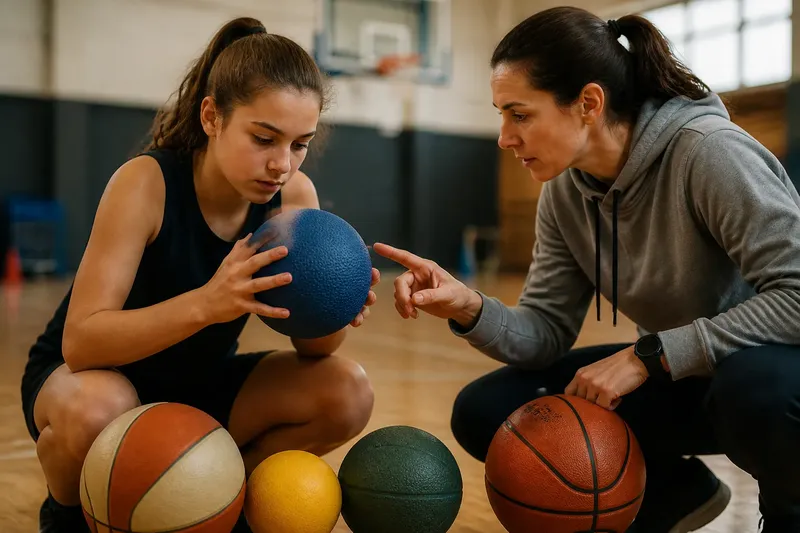
The common mistake when choosing a practice ball is buying one that feels most like the game ball, then asking it to suit every drill. That can leave a player wrestling with an awkward grip or an unpredictable bounce instead of learning the task. Choosing a practice ball by the skill at hand starts with the ball’s construction, not its badge.
Surface, size, weight and flight are separate choices. A basketball used for close-control dribbling has different demands from a netball used for receiving passes. The right practice ball is the one whose properties fit the drill and the player, without creating a grip or movement that will be hard to carry over.
Which features matter for your drill?
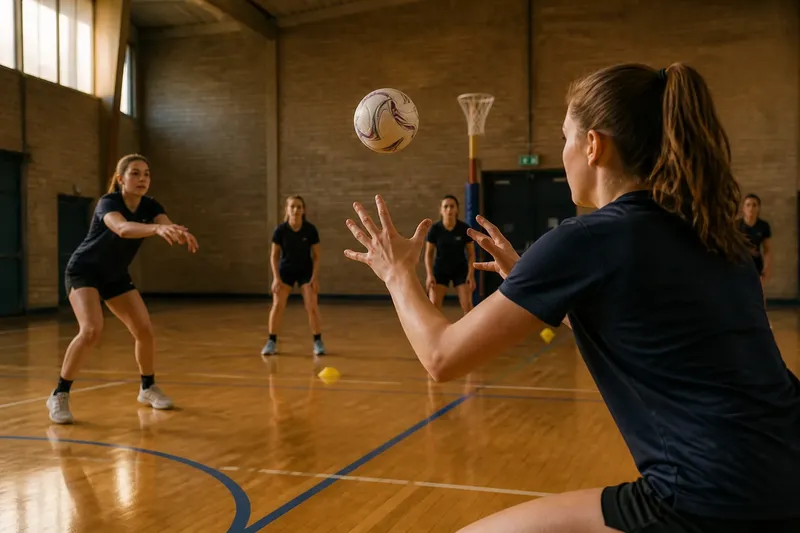
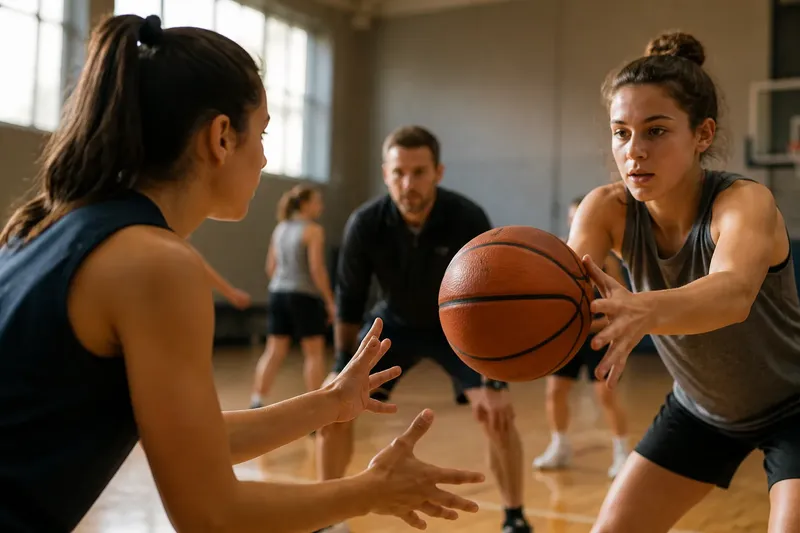
Begin with what the ball must do. For catching, consider whether its surface is easy to hold and whether its size lets the player spread their fingers comfortably. For dribbling, look at the rebound and whether the ball feels stable as it returns to the hand. For throwing, check that the player can grip and release it without squeezing or twisting their hand into an awkward shape.
Then consider how closely the practice ball should resemble the sport’s usual equipment. A familiar ball is useful for rehearsing ordinary handling. A modified ball can simplify one part of practice, but it should not quietly teach a different grip, release or reading of flight.
When is a textured surface helpful?
A textured surface gives the fingers more to hold and feel. It can suit early catching practice or a drill in which the player is learning where the ball should sit in the hand. Check the surface in dry and, where appropriate, slightly damp conditions; a ball that feels secure indoors may become slippery outdoors.
Too much tack can create a different problem. The player may hold on rather than receive the ball with relaxed hands, and the sticky feel may be unlike the equipment used in play. Choose a textured ball when its surface is suitable for the sport and the intended drill; use a more familiar surface when practising ordinary receiving or passing.
How should you compare size and weight?
A smaller ball may be easier to hold, but it can encourage a cramped grip if it is too small for the player’s hand. A lighter ball can be easier to move, yet its flight and rebound may differ from the usual ball. Check the ball’s label and the relevant sport’s guidance for the intended age group and activity.
Do not choose by “lighter is easier” alone. Ask the player to hold the ball with the hand position the drill requires, then make a few controlled movements. If the fingers cannot sit comfortably or the player changes their throwing action to manage the ball, choose another size or weight.
What should you check before choosing a practice ball?
- Surface: Check whether the ball feels secure without sticking to the hand. If it is slippery or overly tacky, choose a surface better suited to the drill and playing conditions.
- Size: Check whether the player can hold the ball with the intended hand position. If the grip is cramped or strained, choose a suitable size under the sport’s age-group guidance.
- Weight: Check whether the player can move and release the ball without changing their action. If the ball alters the movement, choose a weight closer to the activity’s usual equipment.
- Rebound: Check whether the ball returns predictably for the planned dribbling task. If the bounce is erratic, choose a ball designed for that surface and activity.
- Flight: Check whether the ball’s path suits the drill’s demands. If it is too difficult to track for a positioning drill, use a more visible, slower-moving option; if the drill is game-like, use a more familiar flight.
- Sport and setting: Check the ball’s label and the relevant guidance for the activity and playing surface. If it is not intended for that use, choose an appropriate ball rather than relying on its feel alone.
How do you choose for catching, dribbling or throwing?
For catching, prioritise a manageable size and a surface that lets the player receive the ball without a forced grip. For dribbling, choose a ball with a suitable, consistent rebound on the surface where the drill will take place. For throwing, look for a size and weight that allow a comfortable grip and a natural release.
For judging a pass, consider whether the player needs to practise positioning or read a familiar pass. A slower, easier-to-track ball may suit the first task; a ball with familiar flight may suit the second. The drill still matters: a catch alone does not show whether the player started in a useful position.
How should you move from a modified ball to a game ball?
Use a modified ball for a defined purpose, such as helping a player become comfortable with a catching pattern. Then return to the sport’s usual ball and keep the drill simple enough to see whether the grip or movement remains usable. If the altered ball has led to a different hand position or release, adjust the practice rather than assuming the skill will transfer automatically.
Say you are planning a passing session for a learner who tracks the ball well but struggles to set their hands. Assume, for this invented example, that the available options are a lightly textured ball in a manageable size and the team’s usual ball. First, have the learner take the ready position with the textured ball; if the grip looks cramped, set it aside. If the grip is comfortable, use it for a short set of passes and ask the learner to describe where the ball meets their hands. Then switch to the usual ball and repeat the same pass. If the hand position remains comfortable, continue with the usual ball; if it changes, return briefly to the textured ball and simplify the pass before trying the usual ball again. The observable result is a clear decision about which ball supports the intended hand position, not a claim that either ball produces flawless passing.
Which practice ball questions come up most?
Should a practice ball match the game ball?
Use a similar ball when the drill is meant to rehearse familiar handling, rebound or flight. Choose a different one only when its specific feature suits the task and its effect on grip or movement remains manageable.
Does a softer ball always suit beginners?
No. Check its size, weight, rebound and intended use as well as its softness. If it encourages an awkward grip or behaves unlike the ball needed for the activity, choose a more suitable option.
Can one ball work for different drills?
Yes, if its surface, size, weight and rebound suit each task. If a feature makes one drill awkward, use a different ball for that part rather than forcing a single choice to cover everything.
When should practice return to a familiar ball?
Return to it when the drill is meant to reflect ordinary playing conditions, or when you need to check whether the player’s grip and movement still work with familiar equipment. If the action changes, simplify the task and adjust the ball choice.
What is not worth the effort?
There is little value in searching for one supposedly perfect ball or changing equipment after every missed pass. That adds decisions without clarifying the task. Keep the choice tied to the activity, the player’s grip and the conditions; when choosing a practice ball, a suitable surface, size and flight matter more than a specialist label.